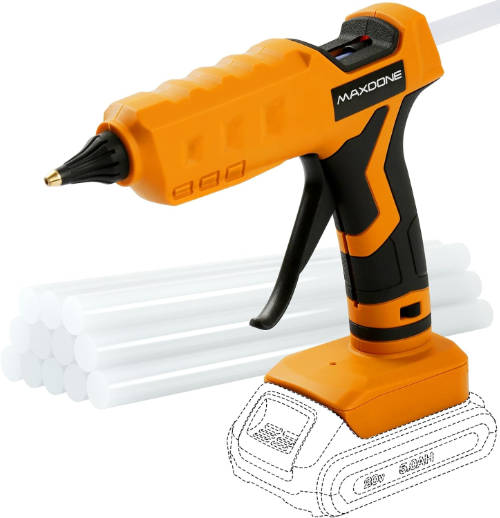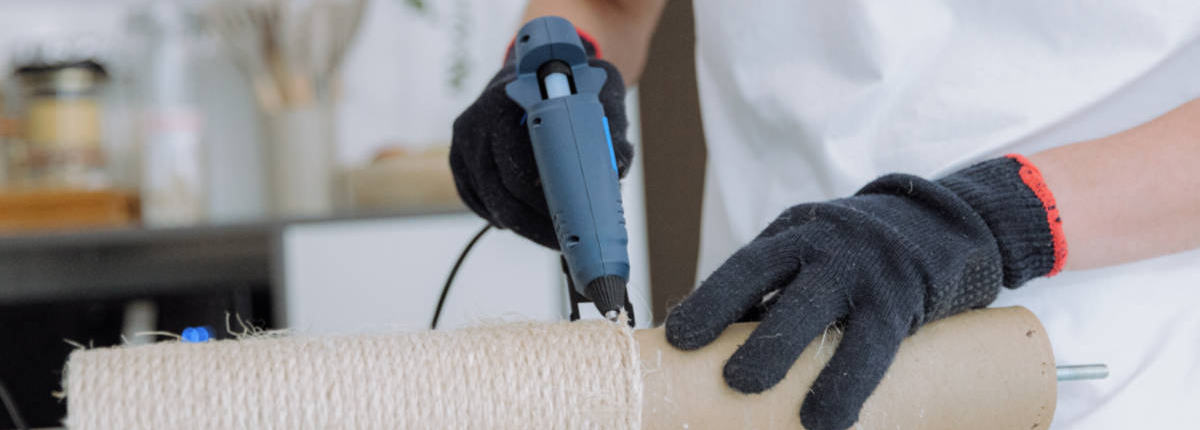
Hot glue, also known as thermoplastic adhesive, was first invented in the 1940s by engineers at the Eastman Kodak Company. The original formula was made from polyamide resin, which was heated and extruded through a gun-like applicator. This innovation revolutionized assembly lines, offering a faster, cleaner, and more efficient way to bond materials compared to liquid glues and mechanical fasteners.
In the decades since, hot glue has found its way far beyond industrial manufacturing. It’s been used in automobiles, furniture, electronics, packaging, and construction—including insulation and weatherproofing. Eventually, its ease of use brought it into households, schools, and workshops. Today, hot glue is a staple for DIY enthusiasts, crafters, repair work, and even emergency fixes. Modern formulations now include low-temperature sticks, specialty glues for wood, fabric, and metal, as well as glitter and colored options for decorative projects.
Whether you’re patching a loose shoe sole, fixing a wobbly chair leg, or crafting holiday decorations, hot glue is one of the most versatile tools you can keep in your drawer.
Pro Tips for Using Hot Glue Effectively
1. Choose the Right Glue Stick
Not all hot glue sticks are the same. Match your glue to your project:
-
General purpose: great for crafts, paper, and light plastics.
-
Wood glue sticks: stronger hold for woodworking and furniture repairs.
-
Fabric glue sticks: remain flexible after drying, perfect for costumes or upholstery.
-
Low-temperature sticks: safer for delicate materials like foam, lace, or thin plastics.
-
Specialty colors & glitter: add flair to art projects without needing extra paint.
2. Prep Your Surfaces
Hot glue adheres best to clean, dry, and slightly roughened surfaces. Wipe off dust, grease, or moisture before gluing. For slick surfaces like glass or metal, lightly scuff with sandpaper for better grip.
3. Control the Heat
Most glue guns are available in low-, high-, and dual-temperature versions:
-
Low-temp: safer, dries slower, ideal for kids and delicate crafts.
-
High-temp: stronger bond, but dries fast—better for wood, metal, and heavy-duty repairs.
-
Dual-temp: gives you flexibility for both projects.
4. Apply Strategically
Hot glue dries in seconds, so placement matters:
-
Apply glue in short lines or dots rather than one long bead for stronger, more controlled adhesion.
-
For large surfaces, work in sections so the glue doesn’t cool before joining.
-
If you need more working time, preheat both surfaces slightly with a hair dryer so the glue doesn’t harden instantly.
5. Keep the Nozzle Clean
Wipe away drips with a piece of foil or cardboard while the gun is hot. This prevents clogs and ensures smooth flow. Never scrape with sharp tools, which can damage the nozzle.
6. Safety First
-
Always work in a ventilated area—heated glue can release fumes.
-
Use a silicone mat or scrap cardboard to catch drips and protect your table.
-
Keep a bowl of cold water nearby—if glue gets on your skin, dipping immediately reduces burns.
7. Get Creative with Extras
Hot glue isn’t just for bonding:
-
Seal frayed rope or shoelace ends by dabbing them with a bit of glue.
-
Make DIY bumpers or grips by layering dots of glue on drawer corners or tool handles.
-
Waterproof small crafts by coating them in a thin layer of glue.
-
Mold quick fixes: While warm, glue can be shaped into small pads, spacers, or gaskets.
8. Store Your Glue Gun Properly
Unplug and let it cool completely before storing. Keep glue sticks in a sealed bag or container to protect them from dust and moisture. If you use your glue gun frequently, consider a stand to keep it upright and prevent messy drips.
Final Thoughts
Hot glue may have started as an industrial adhesive, but it’s become one of the most practical and creative tools available to everyday makers. By choosing the right glue, preparing surfaces, and applying it strategically, you can tackle everything from household fixes to advanced crafts. With a little practice—and a few safety precautions—hot glue can be your go-to solution for both quick fixes and long-lasting projects.